
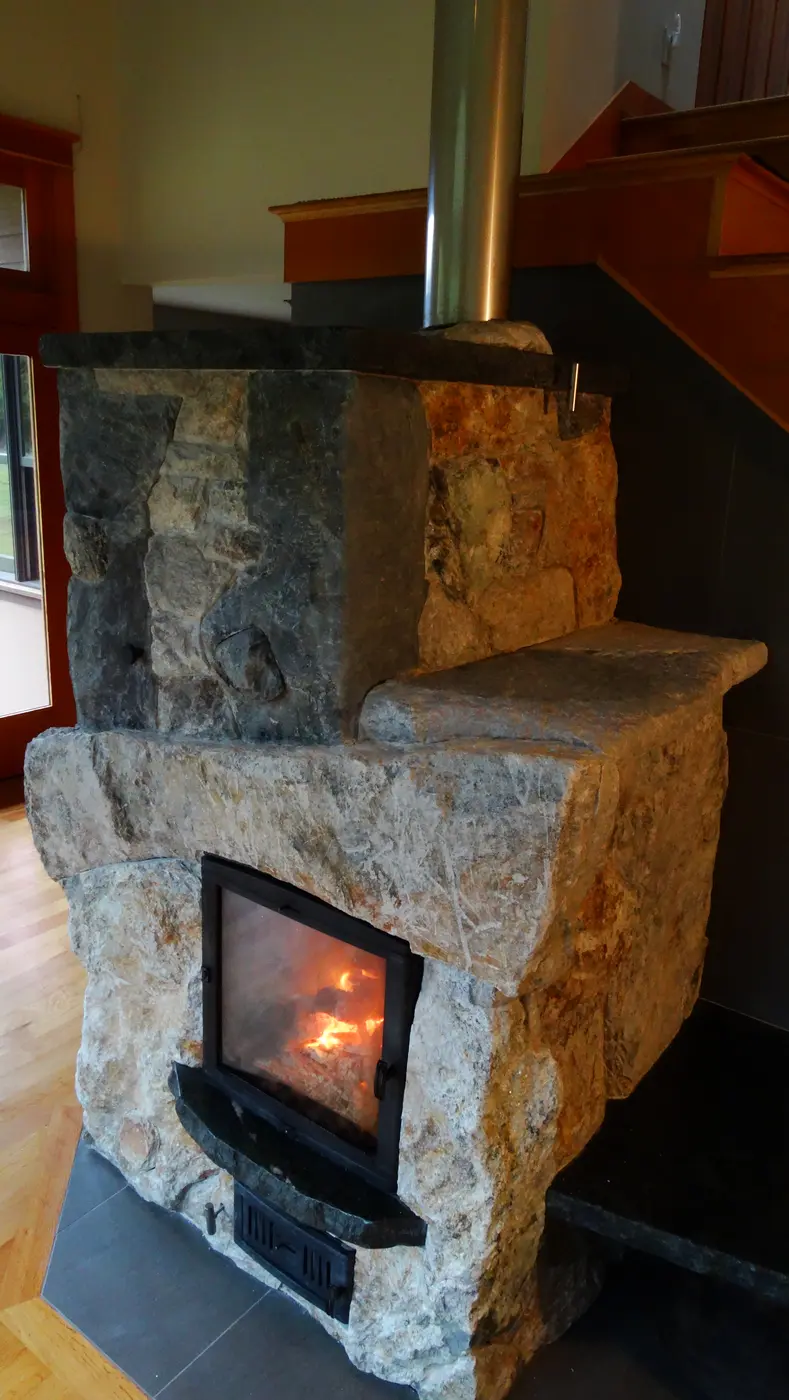
01
Burn
A short, lively fire reaches clean, efficient combustion temperatures.
Tulikivi · Northern California + Southern Oregon
One short, hot burn. A great mass of stone. Hours of quiet radiant warmth—without tending a metal stove all day and night.
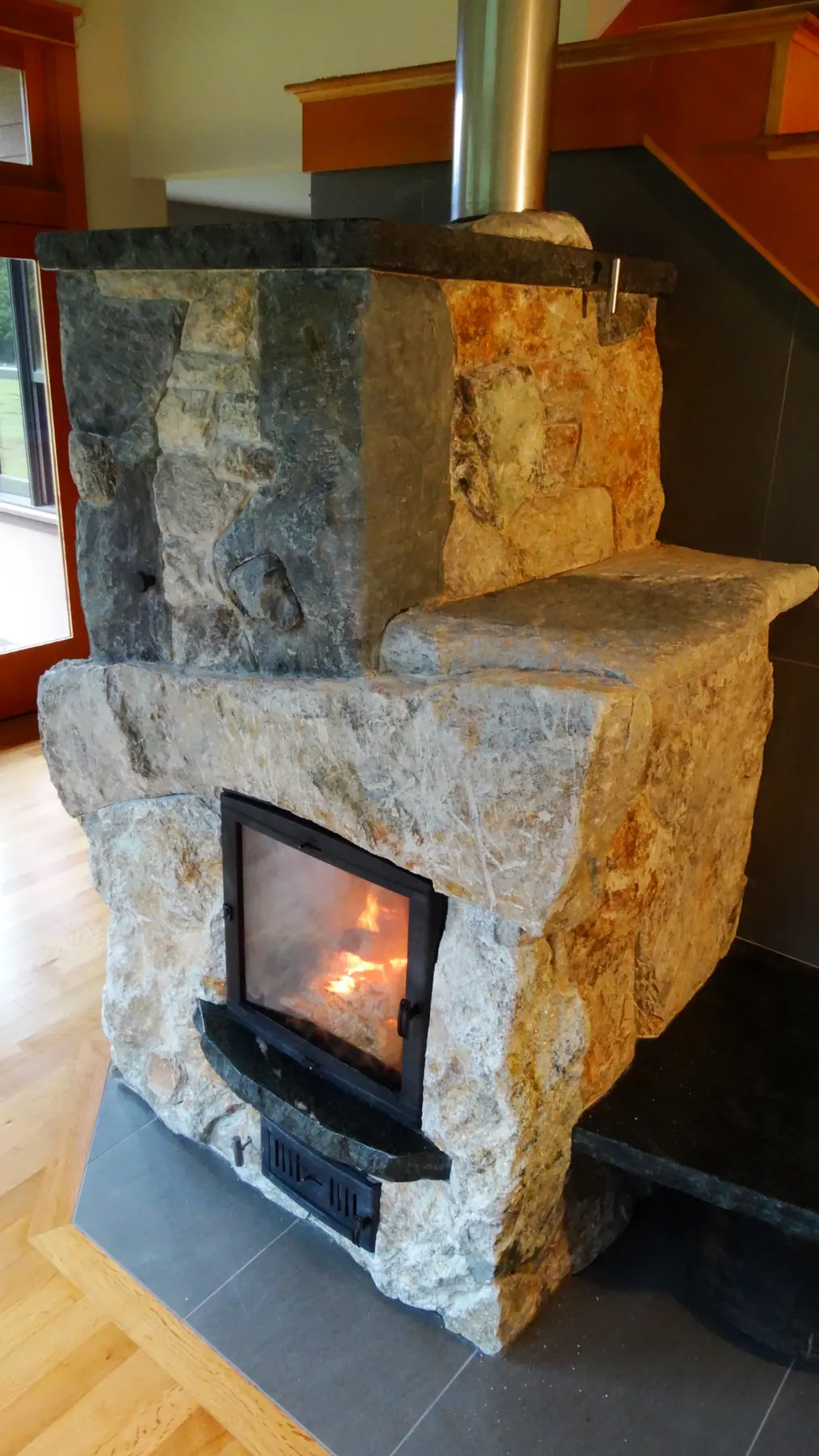
Thermal mass heating
A masonry heater burns a load of seasoned wood quickly and cleanly. Instead of sending most of that energy up the chimney, internal channels draw heat into a large stone mass.
The stone then releases that stored energy gradually as radiant warmth—warming people and the surfaces of the house, not simply blowing hot air into the room.
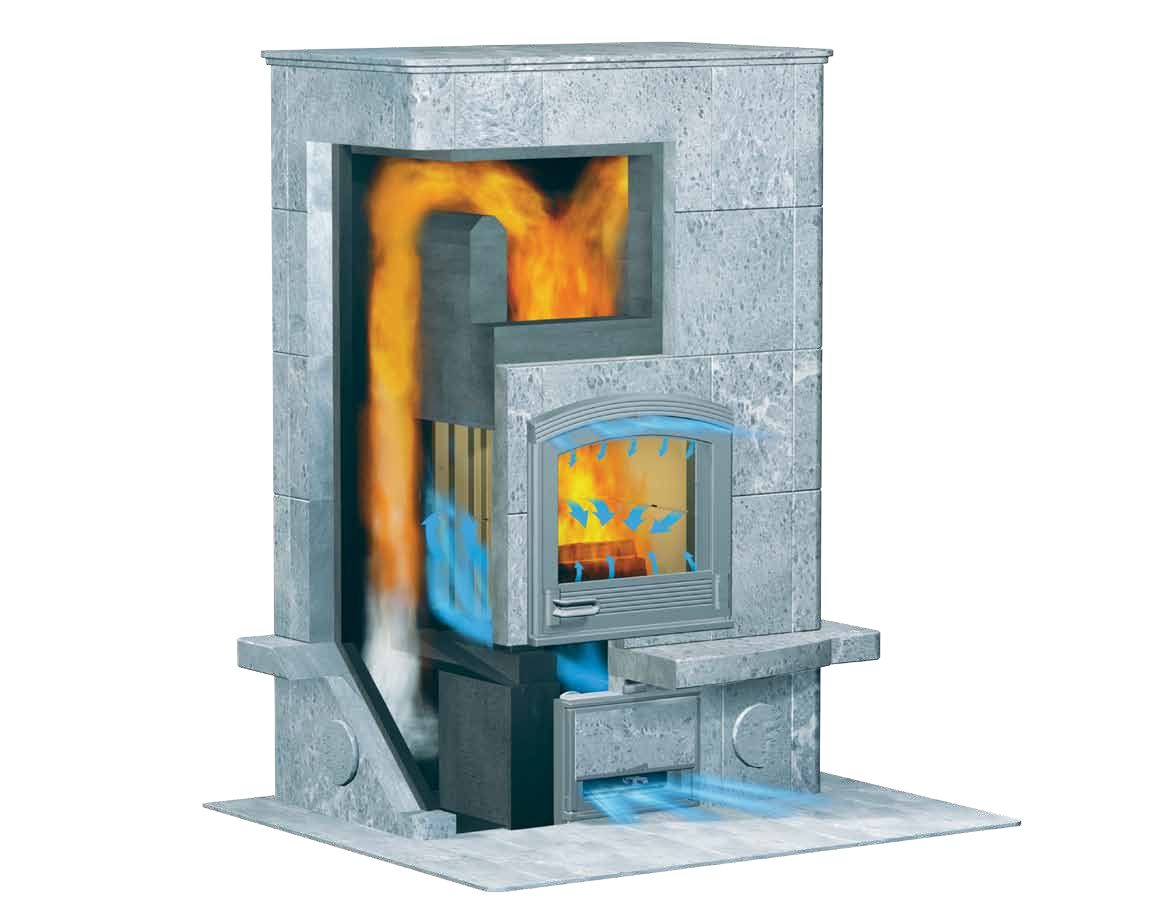
Tulikivi Whirlbox + contraflow
The Whirlbox keeps combustion gases moving inside the fire chamber for a clean, vigorous burn. From there, the hot gases follow the long contraflow route through the heater before entering the chimney, giving their heat to the soapstone along the way.
A short, lively fire reaches clean, efficient combustion temperatures.
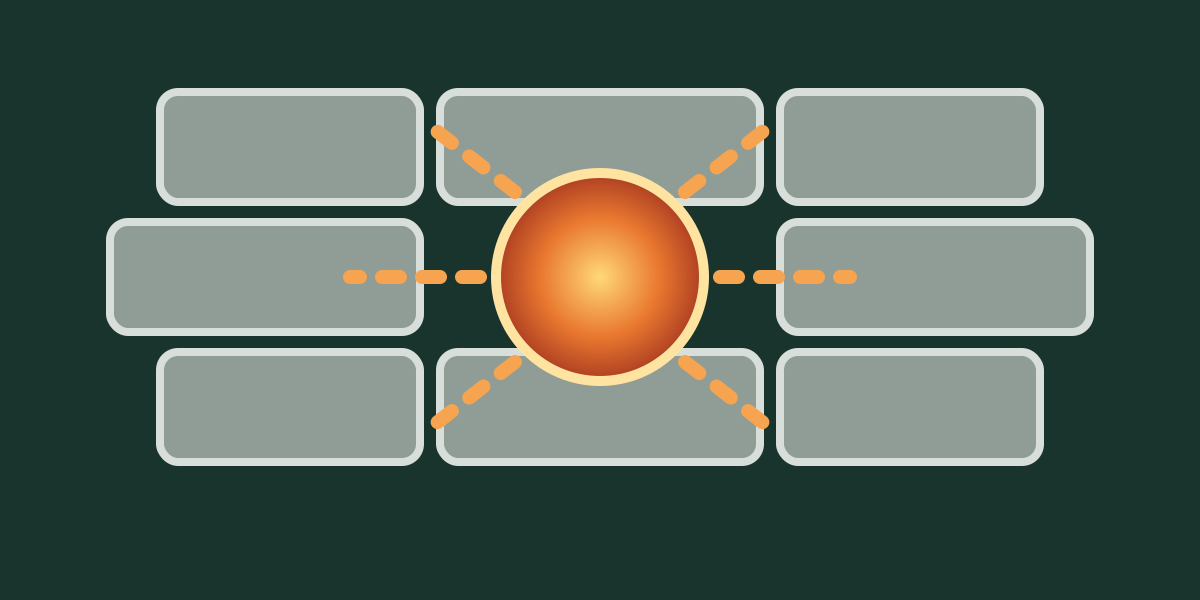
As the fire burns, heat moves through long internal channels and into the stone.

Warmth begins during the firing and continues steadily for many hours afterward.
Storage and release overlap. The heater starts warming the room while it charges; the stored heat simply keeps working long after the flame has gone out.
Three reasons people arrive here
Radiant warmth avoids the sharp heat spikes, drafts and cold mornings familiar to many wood-stove owners.
Volatile fuel prices and an uncertain power supply make dependable heat more valuable. Locally available wood offers a practical measure of independence; add a bakeoven and the heater can keep cooking through an outage.
Proportion, placement, stone and fire are composed to create a warm center for daily life—a place to gather, cook, rest and belong.
A better first conversation
This short worksheet organizes the questions that matter before choosing a model: climate, floor plan, heat demand, structure, chimney and the role you want the fire to play. It sends your answers directly to Ryan by email—no account and no automated sales funnel.
Tulikivi + custom-built starting points
Open the complete Classic, Modern, Corner/Bay Door and Jero collections from the top navigation or the large symbolic gateways below. Select a heater photograph to see its planning subtotal and adjustable cost worksheet.
Humboldt Hearthstones · Custom-built
A heater designed around the house, fire and materials—including local soapstone, natural stone, brick, tile, stucco or plaster.
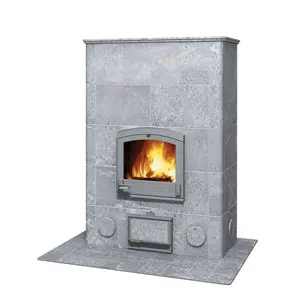 ClassicAll 8 families →
Tulikivi · Complete collection
Five heat-retaining heater families and three wood-fired cookstoves, including compact, bakeoven and large-format choices.
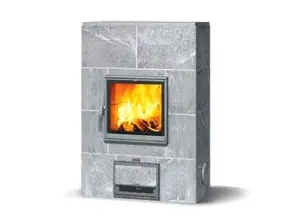 ModernAll 9 families →
Tulikivi · Complete collection
All nine current families with mitred corners, quiet horizontal lines, and selected bakeoven, base-vent and top-vent configurations.
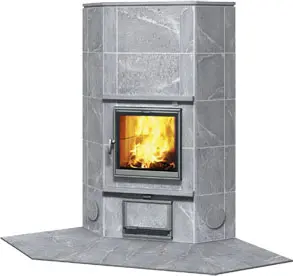 Corner & BayAll 15 families →
Tulikivi · Complete collection
All fifteen current product families that widen the fire view, use a corner purposefully, or connect living and cooking spaces.
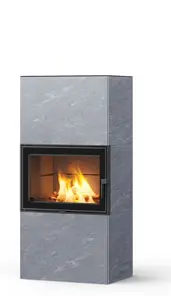
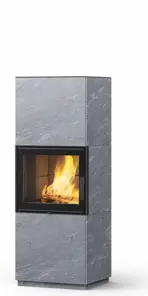
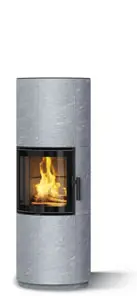 JeroHari · Korpi · Puro →
Tulikivi · Complete collection
Hari, Korpi and Puro in compact rectangular, square and round forms, with finish, height and heat-shield choices.
Compact · Jero line
A small rectangular heater with a generous fire view and minimal footprint.
Compact · Jero line
A compact square heater with fast response and a tall, clear fire view.
Compact · Jero line
A small round heater with quick warmth and a softer architectural profile.
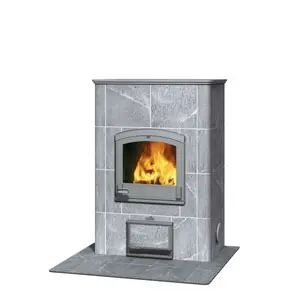
Compact · Classic line
A low, compact classic for a modest room or efficient smaller home.
Medium · Classic line
A balanced, versatile heater and a useful benchmark for many homes.
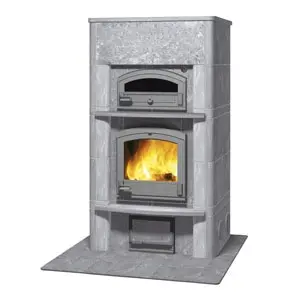
Medium · Bakeoven
A mid-sized heater with an integrated retained-heat bakeoven above the firebox.
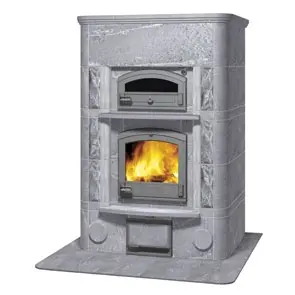
Large · Bakeoven
A substantial heater and oven with rough-stone accents and a strong architectural presence.
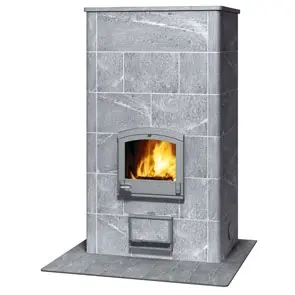
Large · Tall format
A tall, high-mass model for long heat storage with a clean, restrained face.
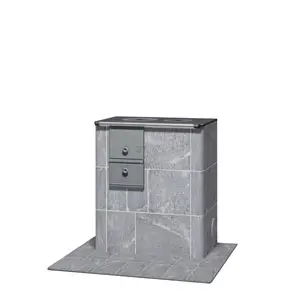
Compact · Cookstove
A low soapstone cookstove for direct cooking and retained warmth.
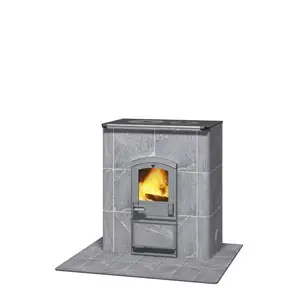
Compact · Cookstove
A counter-height soapstone cookstove that brings fire into daily use.
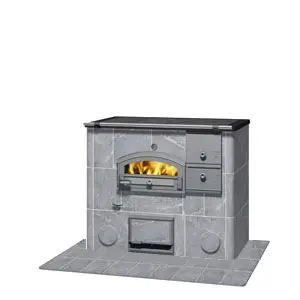
Cookstove · Bakeoven
A broad, low cookstove combining a wood fire, cooking surface and bakeoven.
Transparent planning
Select a model and enter the one-way driving distance from Arcata. The subtotal follows the component structure in Ryan's Boris-based quote worksheets: current MSRP, ocean and domestic freight allowances, tariff and packing allowances, a planning tax allowance, base assembly labor and vehicle mileage. Site conditions remain a conversation with Ryan.
Miles from Arcata; round trip calculated at $0.75/mile.
Site conditions are a conversation. Ryan will ask about staging, stairs, lifting, long carries, foundation and chimney conditions by phone, then confirm them from photographs or a site visit. Call 530-228-2919.
Planning only. Allowances follow the supplied quote worksheets: ocean freight at $0.40/kg, domestic freight at $0.35/lb, tariff at 8.25%, packing at $100, tax at 12.5%, base assembly at $0.75/lb, and entered round-trip mileage at $0.75/mile. Crew travel time, lodging, chimney, structural work, site preparation, permits and unusual access remain outside this subtotal. Final tax, tariff, packing, freight and site pricing are confirmed for each project.
From room to first fire
Placement, chimney, structure, heat demand and daily life all matter. We resolve those questions before a pallet of stone begins its journey from Finland.
Tell Ryan where you live, the size and age of the house, what heats it now, and what you hope will feel different.
We consider floor plan, insulation, climate, chimney path, structural support and the rooms that should receive radiant heat.
Choose a Tulikivi model, door and oven configuration, stone finish, height and any bench or custom masonry integration.
You receive a clear equipment, freight, tax, installation and travel breakdown. We coordinate foundation and chimney needs with your project team.
The heater is assembled on site, cured gradually, and handed over with practical instruction for clean firing and long service.
Useful first questions
Both burn wood, but they manage heat differently. A metal stove heats quickly and depends more on hot air and frequent tending. A masonry heater burns a load briskly, stores the energy in mass, then releases steady radiant warmth long after the fire is out.
Often, yes. The key questions are structural support, an appropriate chimney route, clearances and where the heater can radiate effectively. A photograph and rough floor plan are enough to begin the conversation.
Yes, it can add real value: heat and cooking remain available when electric power is out, and some local air-district rules recognize qualifying wood-fired cooking appliances. But it is not a statewide “loophole” or an automatic permit. The California Residential Code recognizes masonry heaters when they comply with ASTM E1602 or an applicable listing, while local building and air-quality rules still control each project. Some districts use a detailed federal cookstove definition, so simply adding an oven may not qualify. Ryan will identify the local pathway and speak with the authority having jurisdiction before promising approval. Read the masonry-heater code basis ↗
Chimney work, foundation or structural support, site preparation, permits, tariff changes, crew transportation, lodging and unusual access logistics are site-specific and priced separately.
Very possibly. We are based in Arcata and work throughout Northern California and Southern Oregon, with selected projects farther afield when the heater and project are a good fit. Call Ryan with your town and a few project details to start.
Recognized by fellow heater builders
Ryan is a Certified Masonry Heater Builder and a member of the Masonry Heater Association of North America. Two Humboldt Hearthstones custom heaters have received Best Heater Design awards from the association.
A custom Humboldt Hearthstones masonry heater—not a Tulikivi—built with local soapstone and shaped as the warm center of the room.
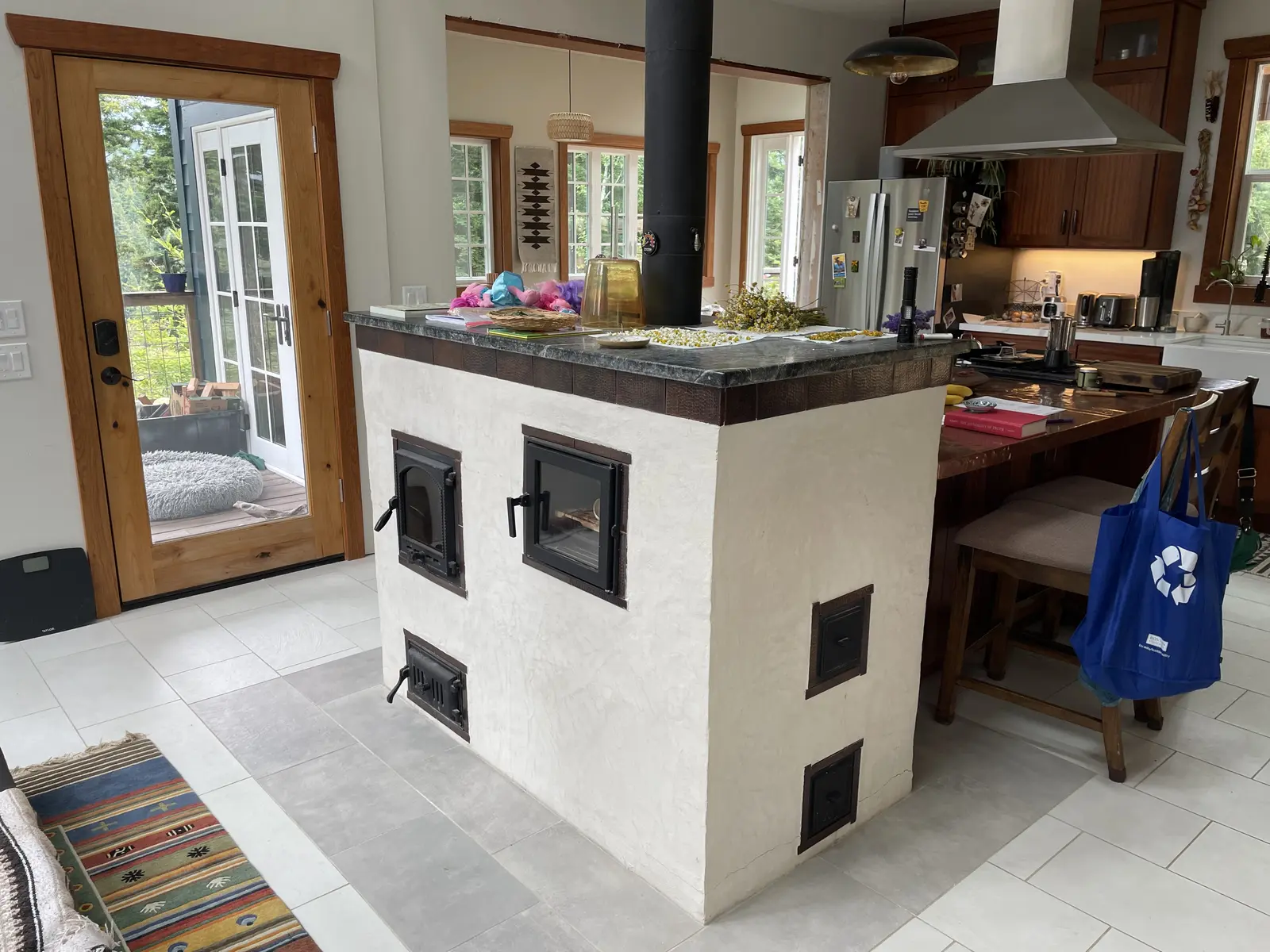
A site-specific heater integrated into the kitchen architecture, using plaster, copper and masonry to make heat part of everyday life.
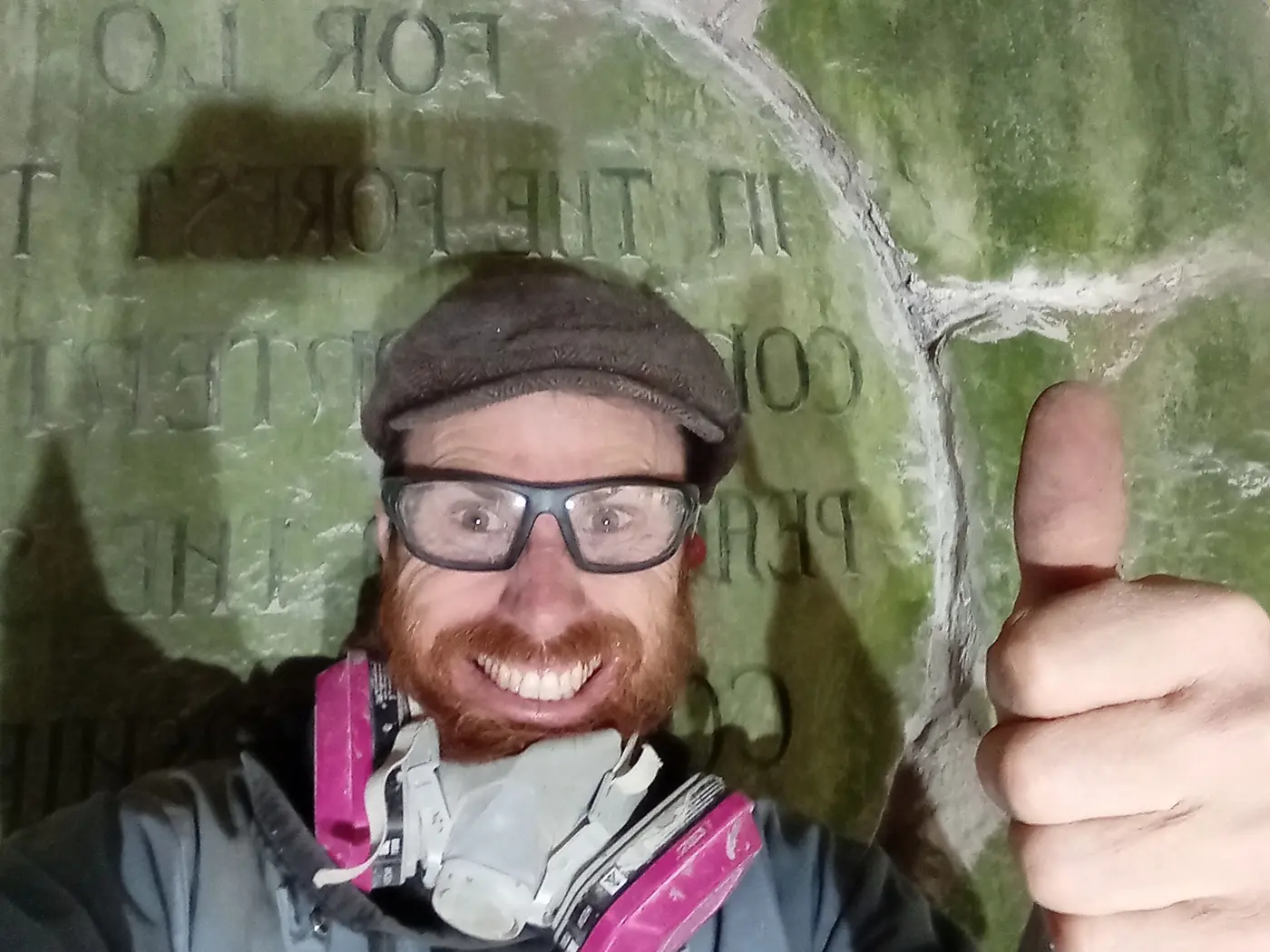
The person who answers
Ryan is a California-licensed masonry contractor, a Certified Masonry Heater Builder and member of the Masonry Heater Association of North America, a two-time recipient of its Best Heater Design award, and a regional Tulikivi dealer. His work is grounded in more than twenty years of building with stone and in the practical details that determine whether a heater belongs in a particular house.
When you call, you are speaking with the mason who will read the room, think through the chimney and structure, help choose the model, and build the heater on site.
The useful next step is not a form
A ten-minute conversation will tell us far more than a generic quote request. If you have them handy, bring your town, approximate square footage and a photograph of the room.